
By Colonic Training Skelmersdale
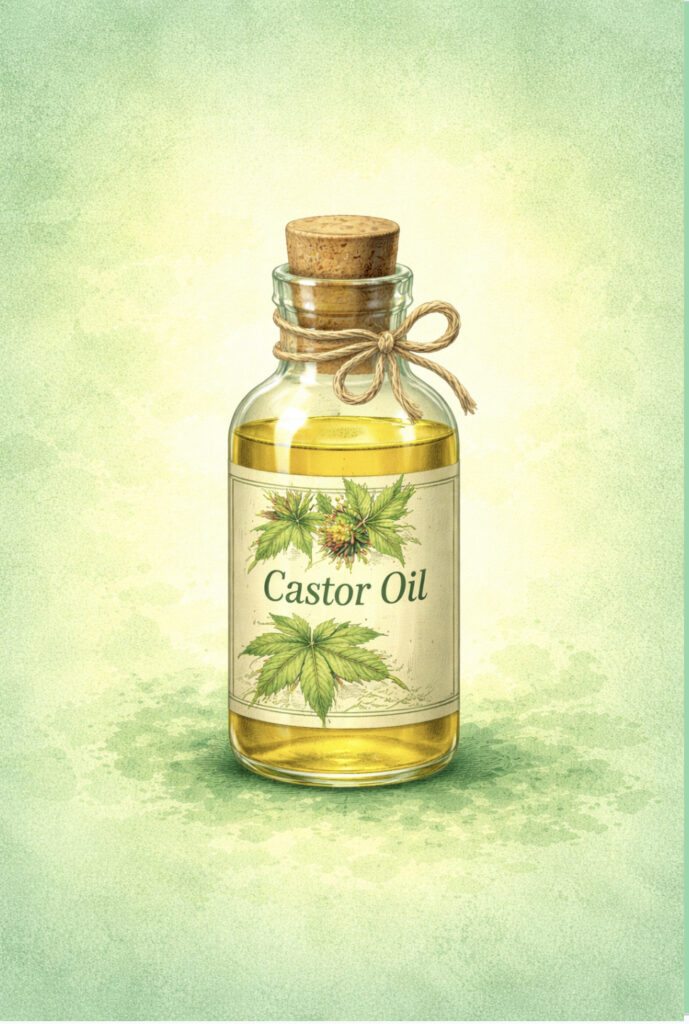
Castor oil has been used across healing traditions for thousands of years – from Ancient Egypt to Ayurveda and modern holistic wellness. Today, it’s most commonly explored through castor oil packs as a gentle self-care ritual designed to support relaxation, comfort, and overall wellbeing.
This guide offers an educational overview of castor oil therapy – its history, how it’s produced, what a castor oil pack is, and how it’s traditionally used – always within safe, professional boundaries.
This information is provided for educational purposes only and does not replace medical care.
What Is Castor Oil?
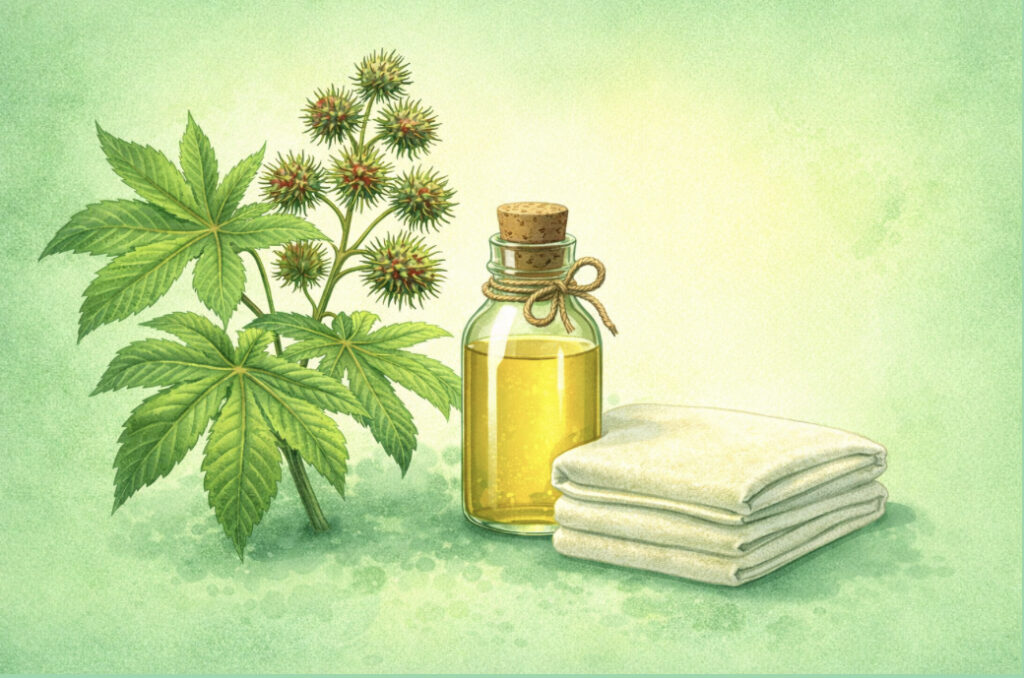
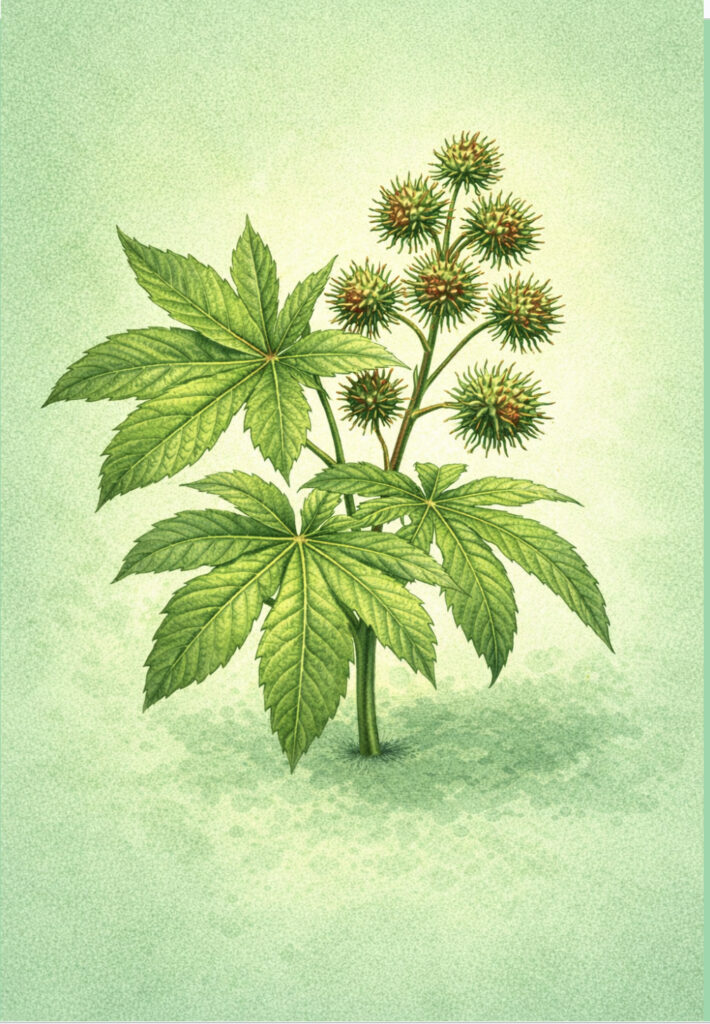
Castor oil is derived from the seeds of the Ricinus communis plant. Although the raw plant contains ricin (a toxic protein), properly produced castor oil is completely safe for topical use. The ricin is removed during controlled heat processing after cold-press extraction, leaving a clean oil suitable for cosmetic and wellness applications.
Castor oil is chemically unique because it contains a very high percentage of ricinoleic acid (around 85-90%), alongside omega-6 and omega-9 fatty acids and vitamin E. These components give castor oil its characteristic texture and traditional supportive properties.
Historically, castor oil has been used across many cultures – valued for warmth, movement, and flow rather than cure.
A Brief History of Castor Oil
Castor oil appears in some of the earliest recorded medical and cosmetic texts.
Ancient Egypt
It was used as lamp oil, in skin preparations, and in eye care, prized for its slow-burning and soothing qualities.
Ayurveda and Traditional Chinese Medicine
Within these traditions, castor oil was viewed as a warming, lubricating oil associated with circulation and balance.
Palma Christi
During the Middle Ages, castor oil became known as Palma Christi – “Palm of Christ” – inspired by the hand-like shape of castor leaves and symbolising healing and protection. These associations are spiritual and historical rather than clinical.
Edgar Cayce and Modern Popularity
In the early 20th century, Edgar Cayce’s readings helped popularise castor oil packs within holistic circles. His recommendations focused on comfort, relaxation, and general wellbeing – not medical treatment.
What Is a Castor Oil Pack?
A castor oil pack is simply:
- A natural cloth soaked in castor oil
- Applied externally to clean skin
- Often combined with gentle heat
- Traditionally placed over the abdomen or an area of discomfort
Castor oil packs are considered a self-care practice, not a medical therapy.
Most people use packs as part of a relaxation ritual – creating space for stillness, warmth, and nervous system calming.
Why Do People Use Castor Oil Packs?
Although there are currently no modern clinical trials validating castor oil pack therapy, many individuals explore packs as a supportive wellness ritual.
Practitioner observations and client feedback commonly describe:
- A sense of warmth and relaxation
- Digestive comfort
- Reduced abdominal tension
- Feelings of ease and restfulness
These experiences are subjective and vary between individuals. They are understood as supportive rather than therapeutic.
Traditionally, castor oil packs are associated with:
- Digestive comfort
- Relaxation of body tension
- Nervous system calming
- Supporting a “rest and digest” state
The warmth of the pack combined with quiet rest may help activate the parasympathetic nervous system – the body’s natural relaxation response.

Systems Traditionally Referenced
Within holistic traditions, castor oil packs are often discussed in relation to:
- Digestive system
- Liver and gallbladder
- Lymphatic system
- Nervous system
These connections are based on historical use and practitioner experience, not clinical diagnosis.
Scientific Considerations (In Simple Terms)
Ricinoleic acid – castor oil’s main fatty acid – has been shown in laboratory studies to interact with prostaglandin pathways involved in smooth muscle signalling and inflammation processes.
However, this does not constitute clinical evidence for castor oil packs as treatment.
Most reported benefits likely arise from a combination of:
- Warmth
- Stillness
- Relaxation
- Individual physiology
- Expectation and comfort
This is why castor oil packs are best understood as a traditional self-care practice, not an evidence-based medical intervention.
General Application Overview
A typical self-care routine involves:
- Applying castor oil to a natural cloth
- Placing it on clean, dry skin
- Adding gentle heat (hot water bottle or low-heat pad)
- Resting quietly for 30-60 minutes
Many people explore packs 2-4 times per week over a few weeks, guided by personal comfort.
Safety First: When Not to Use Castor Oil Packs
Castor oil packs should not be used in the following situations:
- Pregnancy
- During menstruation (over the abdomen)
- Fever or acute infection
- Recent abdominal surgery
- Open wounds or inflamed skin
- Bleeding disorders or unexplained bleeding
Additional caution is advised for:
- Skin sensitivities (patch testing recommended)
- Uncontrolled hypertension
- Peptic or duodenal ulcers
- Severe abdominal pain of unknown cause
Always consult your GP or healthcare provider if unsure.
Professional Language and Ethical Use
At The Treatment Rooms, castor oil packs are discussed using clear, ethical language:
- Traditionally used as supportive self-care
- Some people report feeling more relaxed
- May help promote comfort and wellbeing
We do not diagnose, treat, or cure disease.
Clients are supported in making informed self-care choices, and referrals to medical professionals are always encouraged when appropriate.
Final Thoughts
Castor oil has a long and fascinating history across cultures. In modern wellness settings, it is explored as a gentle self-care ritual focused on relaxation, comfort, and reconnection with the body.
Safety, informed consent, and professional boundaries remain central to everything we share.
Castor oil packs are best understood as a supportive self-care tool, not medical treatment.